

No Touch Laser (TransPRK) for Military, Police & Aviation Candidates: Flap-Free Vision Correction
For candidates pursuing careers in the armed forces, law enforcement, commercial or military aviation, firefighting, and full-contact sports (such as boxing, MMA, rugby, or football), vision correction is not just about ditching glasses - it is about long-term corneal structural integrity and passing strict occupational medical examinations.
While standard flap-based procedures like LASIK offer rapid overnight recovery for office workers, creating a permanent hinged corneal flap is often contraindicated or scrutinised in high-impact professions. In this clinical guide, we explain why No Touch Laser (TransPRK) in Turkey is the preferred refractive procedure for active professionals and recruits.
Clinical Summary: Why Flap-Free Matters
In single-step TransPRK (No Touch Laser), no blade or femtosecond flap incision is ever made in the cornea. Once the surface epithelium regenerates over 3 to 4 days, the cornea retains its native biomechanical strength with zero risk of traumatic flap dislocation and no visible flap edge under slit-lamp examination.
Why Armed Forces, Police & Contact Athletes Choose No Touch Laser
3 Key Occupational Advantages of Single-Step TransPRK:
- Zero Risk of Flap Dislocation From Physical Trauma: In military training, policing, martial arts, or water sports, a direct blow or finger poke to the eye can potentially shift a LASIK flap even years after surgery. Because No Touch Laser creates no flap at all, this risk is completely eliminated.
- No Visible Corneal Flap Scar on Slit-Lamp Exams: Because the Excimer Laser treats the surface directly without cutting a circular stromal hinge, once healed, the cornea shows no mechanical incision line during occupational slit-lamp inspections.
- Maximum Residual Stromal Bed Preservation: By correcting the refractive error directly beneath the regenerating 50-micron epithelium rather than beneath a 110-micron flap, No Touch Laser leaves a thicker, stronger untouched corneal bed.
No Touch Laser (TransPRK) vs. LASIK for High-Impact Professions
| Occupational Criterion | No Touch Laser (Single-Step TransPRK) | Traditional Flap-Based LASIK |
|---|---|---|
| Corneal Flap Created? | No (100% flap-free surface treatment) | Yes (permanent hinged corneal flap) |
| Suitability for Boxing, MMA, Military & Police | Gold Standard (Full impact resistance) | Not recommended for high eye-trauma risk roles |
| Slit-Lamp Flap Margin Visibility | None once surface healing is complete | Circular flap edge remains visible on slit-lamp exam |
| Protective Bandage Lens Removal | Removed on Day 3 or Day 4 at our Antalya clinic | Not required |
How Far in Advance Should You Schedule Surgery Before a Medical Board?
Although your protective bandage contact lenses are removed on Day 3 or Day 4 of your 5-night stay in Antalya and functional vision returns within the first week, surface epithelial remodeling continues over the first month. If you have an upcoming military, police, or aviation medical assessment, we recommend scheduling your No Touch Laser procedure at least 4 to 8 weeks prior to your examination date to ensure crisp 20/20 visual acuity and complete corneal clarity.
Frequently Asked Questions
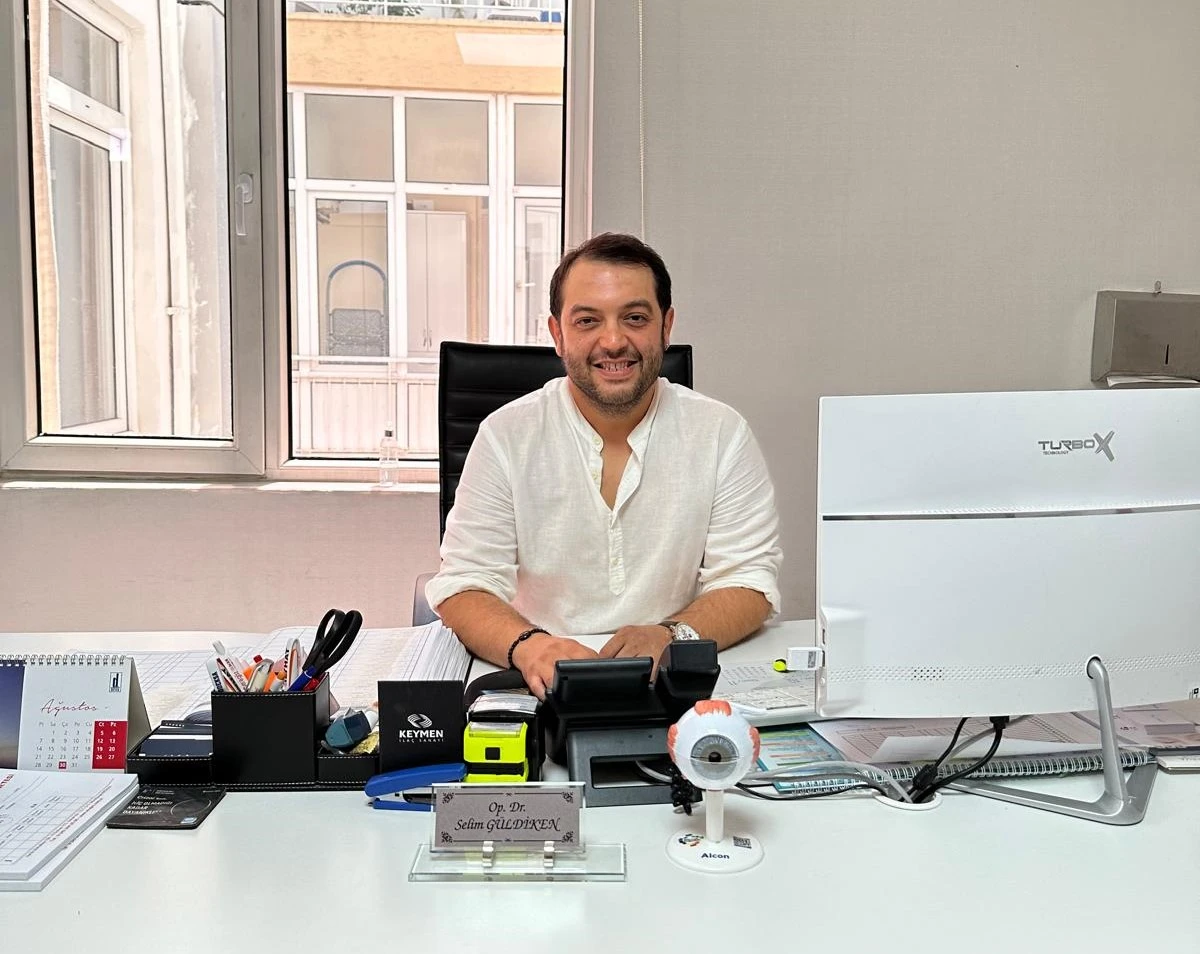
Medical Review & Clinical Verification | Op. Dr. Selim Güldiken
This medical educational article has been reviewed and approved by Op. Dr. Selim Güldiken, board-certified Ophthalmologist and Eye Surgeon in Turkey (Residency at Akdeniz University Faculty of Medicine; Member of ESCRS, ASCRS, and the Turkish Ophthalmological Association).