

Myopia (Nearsightedness) Correction in Turkey: LASIK, No Touch Laser & IOL Options
Myopia (nearsightedness or short-sightedness) is the most common refractive error worldwide, causing distant objects such as road signs, cinema screens, and faces across the room to appear blurred while close-up vision remains sharp. Anatomically, myopia occurs when the eyeball is slightly too long from front to back (axial myopia) or when the cornea has excessive curvature, causing light rays to focus in front of the retina rather than directly on its surface.
For patients from the UK and Europe tired of thick negative-prescription glasses or contact lens dryness, modern refractive surgery in Turkey offers permanent visual freedom. Depending on your age, prescription strength, and corneal thickness, Op. Dr. Selim Güldiken performs tailored correction via LASIK Eye Surgery in Turkey, No Touch Laser (TransPRK) in Turkey, or intraocular lens replacement.
Clinical Summary
Mild to moderate myopia (-0.50 D to -8.00 D) in patients aged 18 to 40 is permanently corrected in seconds using Excimer Laser reshaping (LASIK or contactless TransPRK), while patients over 40 benefit from Smart Lens Replacement (RLE) to eliminate both distance and reading glasses simultaneously.
Understanding Myopia Severity and Treatment Eligibility
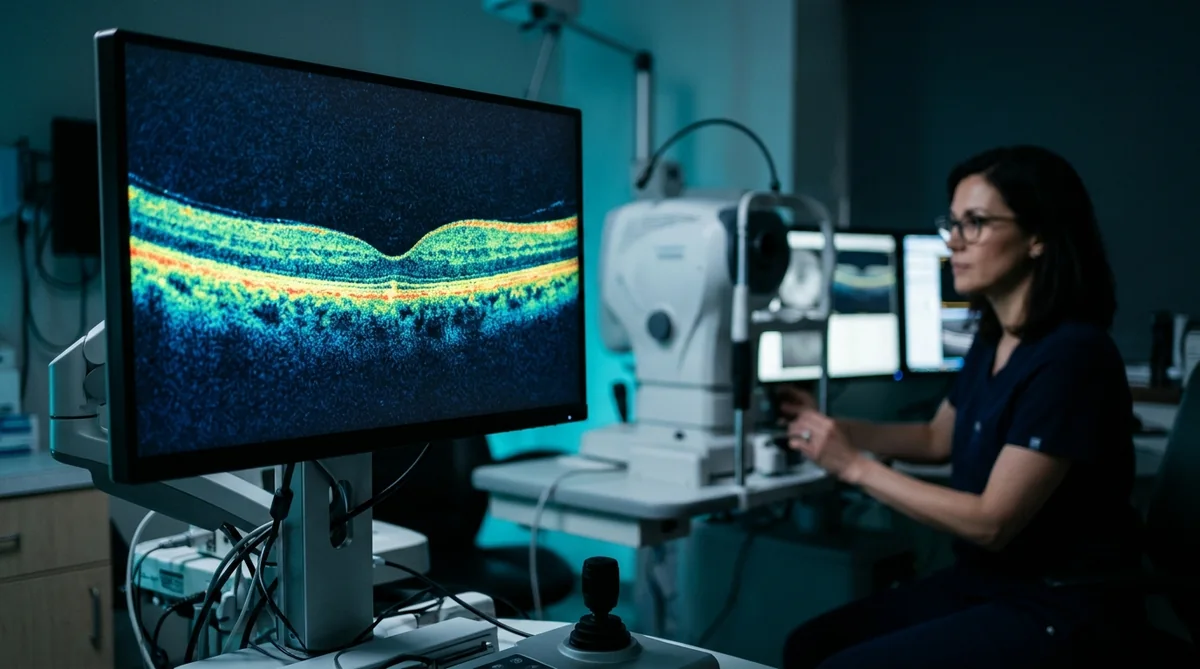
During your pre-operative Ophthalmology Consultation in Turkey, we measure your exact cycloplegic refraction, corneal pachymetry (thickness in microns), and 3D Scheimpflug corneal topography to match your prescription with the safest surgical platform:
| Myopia Classification | Prescription Range | Recommended Surgical Solution in Turkey |
|---|---|---|
| Low Myopia | -0.50 D to -3.00 D | No Touch Laser (TransPRK) or LASIK (100% contactless option ideal for active lifestyles) |
| Moderate Myopia | -3.25 D to -6.00 D | LASIK (for rapid 24-hour recovery) or No Touch Laser (if cornea is thinner than 500 microns) |
| High Myopia (Under Age 40) | -6.25 D to -8.50 D | Custom Wavefront LASIK (given sufficient residual stromal bed thickness) |
| Myopia Over Age 40-45 | Any Myopia + Presbyopia | Refractive Lens Exchange (Trifocal or EDOF Smart Lens) for lifetime distance & near clarity |
LASIK vs. No Touch Laser (TransPRK) for Myopia in Turkey
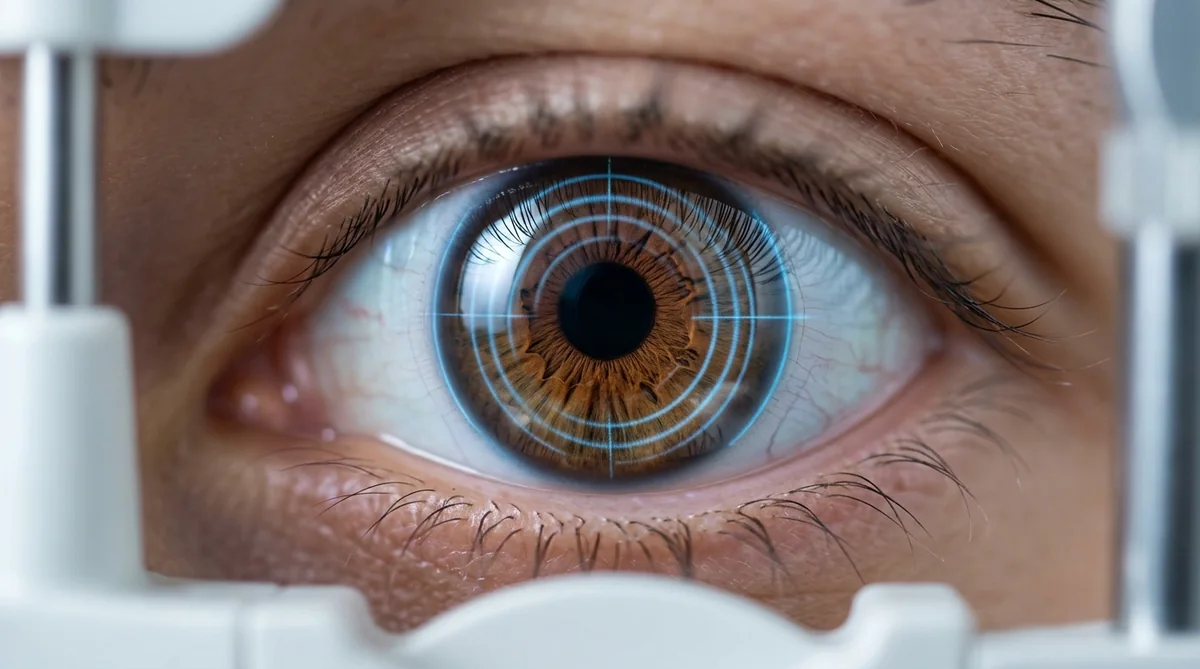
Both LASIK and No Touch Laser utilize the same high-frequency Excimer Laser to flatten the central cornea by microscopic fractions of a micron, moving the focal point directly onto the retina. However, they differ in how the surface of the cornea is accessed:
1. LASIK Eye Surgery (Microkeratome Flap Technique):
- A precision hinged corneal flap is created on the surface layer, the underlying stroma is reshaped by the excimer laser, and the flap seals naturally in minutes without stitches
- Delivers dramatic visual clarity within 24 hours with virtually zero post-operative discomfort
- Ideal for patients with normal corneal thickness who want immediate visual recovery
2. Contactless No Touch Laser (Single-Step TransPRK):
- No surgical instrument touches the eye; the laser removes the thin surface epithelium and reshapes the cornea in one uninterrupted step
- Zero flap creation preserves maximum corneal biomechanical strength
- A soft protective bandage contact lens is worn for 3 or 4 days until the surface layer regenerates; ideal for thin corneas, martial artists, military personnel, and swimmers
You can also explore our detailed cost breakdown in How Much Does LASIK Cost in Turkey and our comparison of RLE vs LASIK After 45.
5-Night Antalya Travel & Appointment Plan
For laser eye surgery in Turkey, we advise patients to stay in Antalya for 5 nights in total (or 1-2 days longer if convenient). Your trip includes comprehensive Pre-Op Corneal Mapping & Consultation, bilateral laser surgery, and your final post-operative surgeon check (plus bandage lens removal on Day 3 or 4 for No Touch Laser patients) before flying home.
Frequently Asked Questions
Medical Review & Clinical Verification | Op. Dr. Selim Güldiken
This medical educational article has been reviewed and approved by Op. Dr. Selim Güldiken, board-certified Ophthalmologist and Eye Surgeon in Turkey (Residency at Akdeniz University Faculty of Medicine; Member of ESCRS, ASCRS, and the Turkish Ophthalmological Association).