
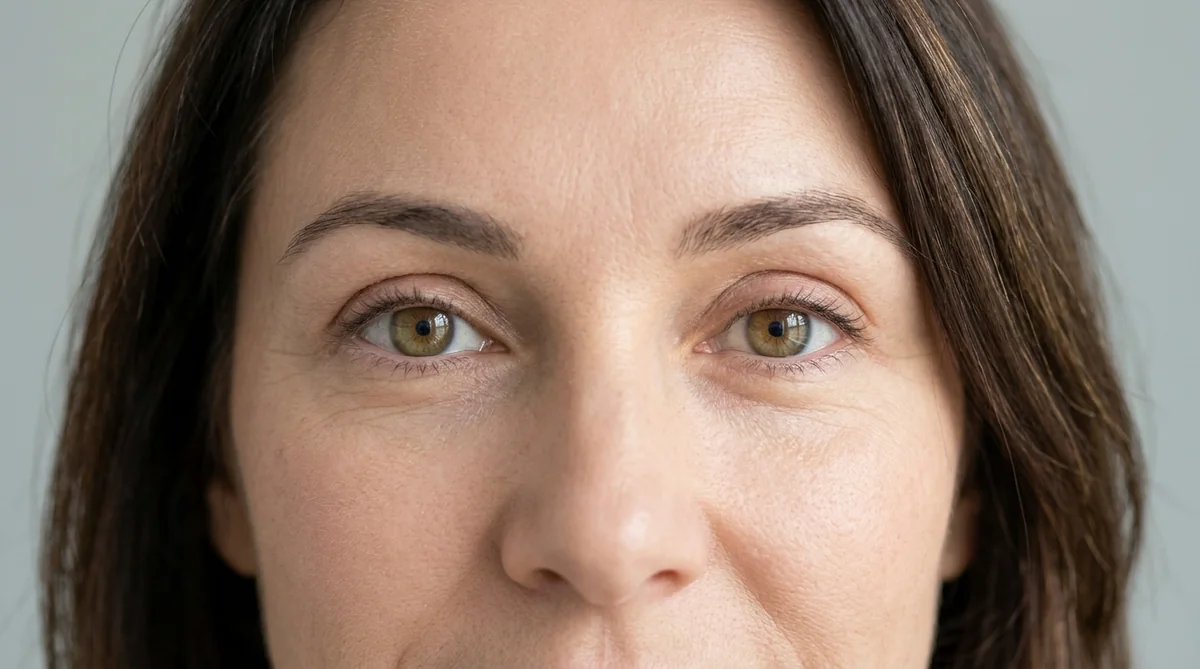
Thyroid Eye Disease (Graves ophthalmopathy) is an autoimmune orbital inflammation causing bulging eyes (proptosis), upper eyelid retraction, severe dryness, and double vision. As an ESOPRS member oculoplastic surgeon, Op. Dr. Selim Guldiken stages active vs inactive disease, safeguards the cornea and optic nerve, and performs staged rehabilitative eyelid surgery once stable.
Active vs Stable Phase: Why Timing Dictates Thyroid Eye Care
Autoantibodies targeting thyroid receptors also inflame orbital fat and extraocular muscles behind the eye. Because the bony eye socket cannot expand, swollen tissues push the eyeball forward (proptosis) and retract the eyelids into a startled stare. Management is strictly two-phase: during the Active Phase (typically 6-18 months), priorities are immediate smoking cessation, intensive preservative-free lubrication, endocrinology thyroid normalization, and medical anti-inflammatory therapy (IV steroids/selenium) for moderate-to-severe inflammation. Elective eyelid or cosmetic surgery is deferred until the eyes stay quiet and stable for at least 6 months.
Corneal Protection & International Staged Surgical Sequence
When retracted lids fail to close completely overnight, preservative-free night gels, wraparound UV sunglasses, and elevated head positioning protect against corneal ulcers. In the stable phase, international guidelines follow a strict rehabilitation sequence: (1) orbital decompression if needed, (2) strabismus alignment for double vision, and (3) final eyelid retraction repair and blepharoplasty for natural comfort and symmetry.
Red-Flag Warning Signs Requiring Urgent Ophthalmology Evaluation
- Fading color vision (especially reds) or dropping sharpness: Sign of compressive Dysthyroid Optic Neuropathy, EMERGENCY care required.
- Severe eye pain, white corneal spot, or inability to close lids overnight: Urgent risk of exposure keratitis/ulcer.
- New double vision on upgaze or side gaze: Active extraocular muscle swelling.
Diagnostic & Pre-Treatment Imaging Protocol in Antalya
Measures forward eye protrusion (mm) and objectively grades active inflammation.
Detects silent optic nerve compression before irreversible vision loss.
Assesses restricted muscles and temporary prism needs.
Aligns TSH, Free T3/T4, and TRAb status with ophthalmic staging.
Thyroid Eye Disease Management by Severity
| Severity / Phase | Key Findings | Clinical Protocol |
|---|---|---|
| Mild Active | Gritty dryness, mild lid retraction | Quit smoking + intense lubrication + 6-mo Selenium (doctor-guided) |
| Moderate-Severe Active | Pronounced swelling, diplopia, proptosis | IV pulse steroids / immunomodulatory care with endocrinology |
| Sight-Threatening (Urgent) | Optic nerve compression or corneal ulcer | Emergency high-dose IV therapy & urgent surgical decompression |
| Stable Inactive (≥6 mo) | Unchanged lid height / cosmetic asymmetry | Eyelid retraction repair, blepharoplasty & alignment surgery |
Patient Journey: 4 Steps from Diagnostics to Recovery
CAS & Hertel Staging
Determines active vs stable phase and clears optic nerve & corneal safety.
Active Control
Lubrication, smoking cessation, thyroid balance & medical anti-inflammatories.
6-Month Stability
Serial measurements verify inflammation has burned out.
Rehabilitative Surgery
Restores natural eyelid closure, comfort, and symmetrical appearance.
Frequently Asked Clinical Questions
My thyroid blood tests are normal now, why are my eyes still bulging or dry?
Why is quitting smoking stressed so strongly?
Can cosmetic eyelid surgery be performed during the active phase?
Can radioiodine (RAI) therapy worsen thyroid eye disease?
How can double vision be managed while waiting for stabilization?
Are international patients treated for stable thyroid eyelid retraction in Antalya?
Book Your Personal Ophthalmology Evaluation in Antalya
Schedule comprehensive diagnostics and personalized treatment planning with Op. Dr. Selim Guldiken at Ozel Era Eye Hospital in Muratpasa, Antalya.
Related Eye Conditions, Treatments & Clinical Tools
Medical Disclaimer: This guide is authored for patient education by Op. Dr. Selim Guldiken and does not replace an in-person ophthalmic examination.