Understanding Lens Replacement Surgery and Its Global Appeal
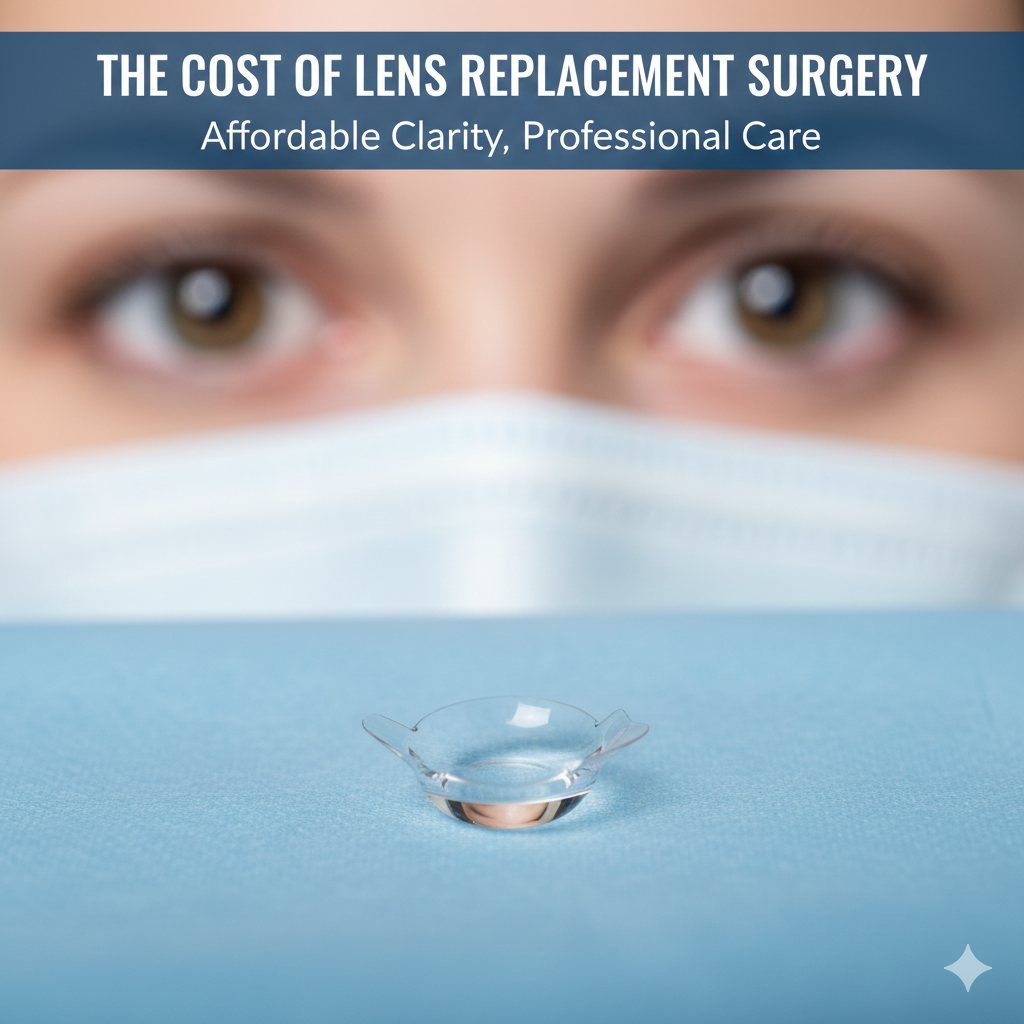
Every year, thousands of patients discover that their vision problems stem not from the cornea but from the natural lens inside their eye, a realization that often leads them to consider refractive lens exchange as a permanent solution. The cost of lens replacement surgery in Turkey has become a significant factor in this decision, with prices ranging from $1,000 to $2,500 per eye according to healthyturkiye.com. For patients in the United Kingdom and United States facing bills that can exceed $10,000 for similar procedures, these figures represent more than mere savings: they represent accessibility to life-changing treatment. Turkey has positioned itself at the intersection of medical excellence and affordability, drawing international patients who seek premium intraocular lenses without the premium price tags attached in Western healthcare systems. The question is no longer whether quality care exists abroad but rather how to navigate the options intelligently.
What is Refractive Lens Exchange (RLE)?
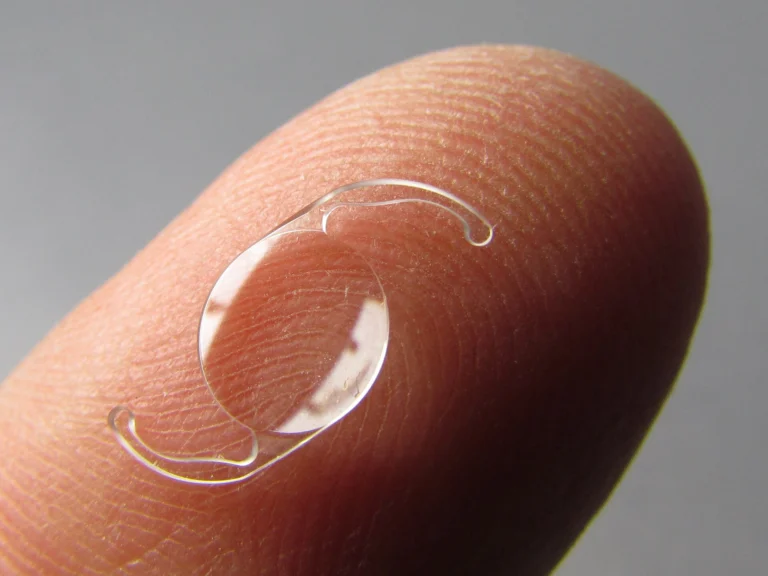
Refractive lens exchange involves removing the natural crystalline lens of the eye and replacing it with an artificial intraocular lens, a procedure nearly identical to cataract surgery but performed before cataracts fully develop. Surgeons typically recommend RLE for patients over 40 who experience presbyopia, the age-related loss of near vision, or those with high degrees of nearsightedness or farsightedness that make laser procedures unsuitable. The artificial lens becomes a permanent part of the eye, eliminating the need for reading glasses or bifocals in many cases when multifocal or trifocal lenses are selected. Unlike LASIK, which reshapes the cornea, RLE addresses vision at its optical source and prevents future cataract development entirely.
Why Turkey Has Become a Hub for Eye Care
Turkey’s emergence as a medical tourism destination did not happen by accident but resulted from deliberate government investment in healthcare infrastructure and professional training programs. As noted by bookimed.com, Turkey is a popular destination for medical tourism due to its high-quality eye care, skilled ophthalmologists, and lower costs. Istanbul alone houses over 50 JCI-accredited hospitals, a concentration that rivals major European capitals. The favorable exchange rate between the Turkish lira and Western currencies amplifies the cost advantage, while the country’s geographic position makes it accessible from both Europe and the Middle East within a few hours of flight time.
RLE Surgery Turkey vs UK Comparison
Understanding the true cost difference between Turkish and British eye care requires examining more than just the surgical fee, as the complete picture includes consultation costs, facility charges, and the economic value of time spent waiting.
Direct Price Analysis: London vs Antalya, Turkey
Private lens replacement surgery in London typically ranges from £3,500 to £5,500 per eye. In contrast, premium eye care in Antalya, led by specialists like Op. Dr. Selim Güldiken, offers advanced multifocal and trifocal options at a fraction of that cost. Even when factoring in return flights to Antalya and accommodation, patients typically save 40 to 60 percent. Antalya’s status as a top-tier medical hub allows patients to combine their treatment with a recovery period in a world-class tourism destination.
Wait Times and Specialist Availability
The National Health Service in the United Kingdom does not typically cover refractive lens exchange for vision correction purposes, as the procedure is considered elective rather than medically necessary in most cases. Patients seeking private care in the UK often encounter wait times of several weeks to months for initial consultations with leading specialists, followed by additional scheduling delays for the surgery itself. Turkish clinics, operating in a competitive medical tourism market, frequently offer consultations within days of inquiry and can schedule surgery within one to two weeks of the decision to proceed. This efficiency appeals particularly to working professionals who cannot afford extended periods of visual impairment while waiting for treatment.
Factors Influencing Multifocal IOL Implant Prices Abroad
The lens itself represents the most significant variable in the total cost of refractive lens exchange, with technology choices creating price differences that can exceed the surgical fee.
Monofocal vs Multifocal and Trifocal Lens Costs
Monofocal lenses provide excellent vision at a single focal distance, while multifocal and trifocal (Smart Lens) technologies eliminate the need for glasses entirely. In Antalya, Op. Dr. Selim Güldiken specializes in these high-tech intraocular lens implantations, tailoring the choice of lens to each patient’s unique lifestyle and visual requirements. Whether you require a standard distance correction or a sophisticated trifocal lens for computer work and reading, the expertise available ensures premium results without the prohibitive Western price tags.
Premium Lens Brands and Technology Fees
Lens manufacturers such as Alcon, Johnson and Johnson, and Zeiss produce intraocular lenses with varying optical properties, durability characteristics, and clinical track records. Extended depth of focus lenses, a newer category that provides a continuous range of vision rather than distinct focal points, often carry the highest price tags due to their advanced optics. Some clinics charge separately for advanced diagnostic testing, including corneal topography and optical biometry, while others bundle these assessments into the surgical fee. Patients should request itemized quotes that specify the lens brand and model to ensure meaningful price comparisons between facilities.
All-Inclusive Eye Surgery Packages in Turkey
The medical tourism industry in Turkey has refined the all-inclusive package model to address the specific concerns of international patients traveling for surgical procedures.
What is Included: From Transfers to Aftercare
The medical tourism model in Antalya is designed for seamless international patient care. Comprehensive treatment plans for lens replacement under the care of Op. Dr. Selim Güldiken typically cover everything from the initial diagnostic testing and premium lens costs to post-operative medications. By focusing on Antalya, patients benefit from a streamlined process that includes VIP transfers and accommodation near the clinic, ensuring that the journey is as stress-free as the procedure itself.
Hidden Costs to Watch For When Booking
Despite the all-inclusive label, certain expenses may fall outside package coverage and surprise unprepared patients. Meals beyond breakfast are rarely included, and patients should budget for dining expenses during their recovery period. Enhancement procedures or touch-up surgeries, should they become necessary, typically require additional payment even when the primary surgery was part of a package. Some clinics exclude premium lens upgrades from standard package pricing, presenting the upgrade option only during the pre-operative consultation. Travel insurance with medical evacuation coverage represents an essential expense that patients must arrange independently.
Choosing the Best Eye Clinics in Turkey for International Patients
When selecting a provider, surgeon expertise is the most critical factor. Op. Dr. Selim Güldiken, a highly regarded ophthalmologist in Antalya, brings years of specialized experience in refractive surgery and smart lens applications. His clinic adheres to rigorous international protocols, combining advanced diagnostic technology with a patient-centered approach. Choosing a dedicated specialist ensures that you receive the same—or often higher—level of care than in the UK or US, backed by a surgeon who has performed thousands of successful eye procedures.
Based in the beautiful city of Antalya, Dr. Selim Güldiken is a senior ophthalmologist renowned for his expertise in cataract and refractive surgery. With over 12 years of clinical experience and thousands of successful procedures, he specializes in premium intraocular lens (IOL) implantations, helping international patients regain clear vision through personalized surgical care.
Accreditations and Surgeon Certifications
Joint Commission International accreditation indicates that a hospital meets internationally recognized standards for patient safety, infection control, and clinical quality. Turkish ophthalmologists who trained or completed fellowships in European or American institutions bring exposure to Western medical protocols and often maintain professional memberships in organizations such as the European Society of Cataract and Refractive Surgeons. Board certification from the Turkish Ophthalmological Association confirms that a surgeon has completed required training and passed competency examinations. Patients should verify credentials directly rather than relying solely on clinic marketing materials, as reputable institutions readily provide documentation upon request.
Patient Reviews and Success Rates
Online review platforms provide valuable insights into patient experiences, though readers should approach extremely positive or negative reviews with appropriate skepticism. Clinics that publish their complication rates and visual outcome statistics demonstrate confidence in their results and commitment to transparency. Savings on lens replacement surgery in Turkey can range from 30 to 70 percent compared to the US and Europe according to bookimed.com, but price should never override safety considerations. Requesting to speak with previous patients from your home country can provide relevant perspectives on the complete experience.
Refractive Lens Exchange Recovery Timeline
Understanding the recovery process helps patients plan their trip appropriately and set realistic expectations for their visual outcome.
Immediate Post-Op Care and First 48 Hours
Surgeons typically perform lens replacement on one eye first, allowing that eye to stabilize before treating the second eye two to seven days later. Patients experience blurred vision immediately following surgery due to pupil dilation and mild inflammation, with significant improvement typically occurring within 24 hours. Protective eye shields must be worn during sleep for the first week to prevent inadvertent rubbing or pressure on the healing eye. Eye drops including antibiotics and anti-inflammatory medications require application several times daily according to a specific schedule that the clinic provides.
Long-Term Vision Stabilization and Follow-Ups
Most patients achieve functional vision within one to three days, though optimal visual acuity may take several weeks to stabilize as the brain adapts to the new lenses. Halos and glare around lights at night represent common temporary side effects that typically diminish over the first three months. Patients should arrange a follow-up examination with an ophthalmologist in their home country approximately one month after surgery, and reputable Turkish clinics provide detailed surgical reports to facilitate this continuity of care. Annual eye examinations remain important for monitoring overall ocular health, even though the artificial lens itself requires no maintenance.
Final Verdict: Is Traveling to Turkey for Lens Replacement Worth It?
The financial and medical case for traveling to Antalya for lens replacement is clear. By choosing a dedicated expert like Op. Dr. Selim Güldiken, patients mitigate the risks often associated with high-volume “surgery mills.” The opportunity to receive life-changing vision correction from a top-tier specialist while saving thousands of pounds makes Turkey, and specifically Antalya, the premier choice for international eye care.