+90 506 465 06 82

Antalya, Turkey

Does LASIK Eye Surgery Hurt? Understanding Pain Levels in LASIK Surgery

Does LASIK Eye Surgery Hurt? Understanding Pain Levels in LASIK Surgery LASIK eye surgery is a popular choice for vision correction in Turkey. Many people wonder, “Does LASIK surgery hurt?” Many people feel anxious about this procedure, especially because Dr. Selim Güldiken, a famous surgeon in Turkey, performs it. Understanding the pain levels involved can ease anxiety. LASIK is known for being quick and relatively painless. Numbing drops are used to ensure comfort during the surgery, which Dr. Güldiken expertly administers. Patients often feel pressure but not pain. Post-surgery, mild discomfort is possible, but it usually fades quickly. Knowing what to expect can help you prepare for a smooth experience. In this article, we will look at the feelings you may have during LASIK. We will focus on the procedures done by Dr. Selim Güldiken to help you understand what to expect. Summary LASIK is usually quick and not very painful, especially when done by experts like Dr. Selim Güldiken in Turkey. People mostly feel some pressure, but not pain, during the flap creation, and the laser does not hurt at all. After the procedure, you may feel some mild discomfort. This can include dryness, grittiness, light sensitivity, and seeing halos or glare. These symptoms usually improve in 24 to 48 hours if you use eye drops and follow the aftercare steps. This article covers feelings, side effects, recovery time, comfort tips, safety advice, and when to contact your surgeon. If you are considering LASIK in Turkey, it is important to have realistic expectations. You should also follow the instructions before and after the surgery for a better experience. What Is LASIK Eye Surgery? LASIK stands for Laser-Assisted In Situ Keratomileusis. It is a surgery designed to improve vision by correcting refractive errors in the eyes. This procedure uses a laser to change the shape of the cornea. It helps focus light better on the retina. The surgery involves several key steps that usually take about 10-15 minutes per eye. Here’s what typically happens during LASIK: Numbing eye drops are applied to prevent discomfort. A small flap is created on the cornea’s surface. A laser reshapes the underlying corneal tissue. The flap is repositioned over the treated area. Dr. Selim Güldiken, a leading LASIK surgeon in Turkey, performs these steps with exceptional precision, ensuring safety and efficacy. The procedure is considered safe, and millions have benefited from it globally.   LASIK can correct nearsightedness, farsightedness, and astigmatism. Most people experience a significant improvement in vision shortly after the procedure. Results are typically long-lasting, offering a life-changing reduction in dependency on glasses or contact lenses. Does LASIK Hurt? The Truth About Pain During the Procedure Many people worry about pain during LASIK surgery, especially if performed by an unfamiliar surgeon. However, with skilled professionals like Dr. Selim Güldiken, the procedure is generally not painful. The use of numbing eye drops ensures that you feel little to no discomfort during the procedure. Some patients report feeling a sensation of pressure. This typically occurs when Dr. Güldiken uses an instrument to create the corneal flap. This pressure is not painful and lasts only a few seconds. Here’s what to expect during LASIK: Numbing drops are applied to prevent pain. You may feel slight pressure but no sharp pain. The laser itself causes no discomfort when reshaping the cornea. The procedure is quick, often completed in under 30 minutes for both eyes.   Being awake during LASIK might sound Scary or frightening. Dr. Güldiken usually gives a mild sedative to help patients relax. This makes it easier for them to handle any worries about feeling discomfort. Overall, most patients report a painless experience. Knowing these steps, especially from a trusted surgeon in Turkey, can help reduce worry and get you ready for what to expect. Modern LASIK techniques focus on maximizing comfort and minimizing discomfort, ensuring a positive experience. What Does LASIK Eye Surgery Feel Like? Step-by-Step Sensations Many individuals are curious about the sensations experienced during LASIK, especially when considering Dr. Selim Güldiken in Turkey. Understanding these can ease your mind about the procedure. Here’s a step-by-step breakdown of what you might feel. Before the surgery begins, numbing drops are placed into your eyes. These drops prevent you from feeling any sharp pain. You might notice a cool liquid sensation as the drops are applied. When Dr. Güldiken works on your eye, you may feel slight pressure. This occurs as the corneal flap is made, a vital step in LASIK. The pressure is brief and not painful. During the laser correction phase, you may see bright lights. This is normal and helps guide the laser. You won’t feel the laser itself, as it works silently and painlessly to correct your vision. Here’s a summary of sensations: Cool sensation from numbing drops Brief pressure while creating the flap Bright lights during laser correction No sensation from the laser itself by Hassaan Here (https://unsplash.com/@hassaanhre) Post-surgery, your eyes might feel gritty or watery. This is common and subsides quickly. The whole process, especially with experts like Dr. Selim Güldiken, is made to cause little discomfort. This way, you can think about the good results. Is LASIK Painful After the Procedure? Is LASIK eye surgery painful? After LASIK surgery with a skilled surgeon like Dr. Selim Güldiken in Turkey, many patients worry about pain. Fortunately, most experience only mild discomfort rather than real pain. The sensation is often described as dry or gritty, resembling having something small in your eye. This post-surgery feeling is temporary, usually lasting a day or two. Over-the-counter pain relief and prescribed eye drops often ease these sensations. It’s essential to follow your surgeon’s advice on medication to minimize discomfort. Common feelings after the surgery may include: Mild dryness Gritty sensation Light sensitivity Watery eyes Most discomfort resolves quickly as your eyes begin to heal. The majority of patients notice significant improvement in sensations within the first two days. Knowing what to expect can help you prepare and ease your mind, especially

RLE vs. LASIK: Which Vision Correction is Best After Age 45? (Overcoming Reading Glasses)

RLE vs LASIK After 45

Which procedure is right for you? RLE vs LASIK? The answer depends entirely on your age, current vision status, and long-term vision goals. For years, LASIK has been the gold standard for vision correction. It has successfully helped millions of people, typically those in their 20s and 30s, eliminate the need for glasses. However, once you hit your mid-40s, a new hurdle appears: presbyopia, or the age-related loss of near vision. This changes the game entirely. For patients over 45 who rely on reading glasses, the choice is often not between LASIK and nothing, but between LASIK and a more permanent solution: Refractive Lens Exchange (RLE), also known as Clear Lens Exchange (CLE). The Problem After 40s: Presbyopia (The Need for Reading Glasses) As we age, the eye’s natural lens stiffens and loses its ability to change shape and focus on near objects. This is presbyopia, and it affects everyone. Option 1: LASIK (Laser-Assisted In Situ Keratomileusis) LASIK is ideal for correcting nearsightedness, farsightedness, and astigmatism by reshaping the cornea. Pros for Patients Over 45 Cons for Patients Over 45 Quick Recovery: Fastest return to work and daily activities. Temporary Solution: Does not prevent or treat presbyopia. Reading glasses will still be necessary, or soon will be. Lower Cost: Generally less expensive than RLE, making it attractive for budget-conscious patients. Future Cataract: The natural lens remains, meaning the patient will eventually need cataract surgery later in life. No Internal Change: Less invasive, only affecting the outer layer of the eye. Limited Range of Focus: Only corrects existing refractive error, not the need for near vision. When to Choose LASIK After 45 LASIK is best for a patient over 45 who: Option 2: RLE (Refractive Lens Exchange / Clear Lens Exchange) RLE is essentially the same procedure as modern cataract surgery, but the lens is replaced before a cataract fully develops. This procedure is a permanent solution because it addresses the root cause of age-related vision loss. Pros for Patients Over 45 Cons for Patients Over 45 Cataract Prevention: Since the natural lens is removed, you will never develop a cataract. Higher Upfront Cost: Considered a premium elective procedure, often not covered by US insurance plans (Medicare/private). Total Vision Correction: With Trifocal or Multifocal IOLs (Smart Lenses), you can achieve excellent vision at near, intermediate, and distance without glasses. Slightly Longer Recovery: The initial recovery is a little longer than LASIK (a few days of adjustment vs. a few hours). Permanent Fix: Corrects existing vision errors and permanently eliminates presbyopia. Small Risk of Glare/Halos: Some premium IOLs can cause temporary or mild visual disturbances at night. When to Choose RLE After 45 RLE is the superior, long-term choice for a patient over 45 who: The Technology Edge: Premium IOLs (Smart Lenses) The success of RLE hinges on the type of Intraocular Lens (IOL) chosen. While traditional RLE used Monofocal IOLs (correcting only one distance), modern options offer: These premium IOLs are what allow Dr. Selim Güldiken to tailor the procedure to your specific lifestyle, maximizing your chances of truly seeing without glasses. Conclusion: Making the Right Decision | RLE vs LASIK If you are under 40, LASIK is typically the recommended choice. If you are over 40s, particularly if you are in your 50s or 60s, Refractive Lens Exchange (RLE) is often the better value and the most comprehensive, permanent solution. Consult with an experienced ophthalmologist to determine which procedure is the optimal single investment for your long-term visual freedom.

How Much Does LASIK Cost in Turkey? UK vs USA Savings Guide (2025)
LASIK

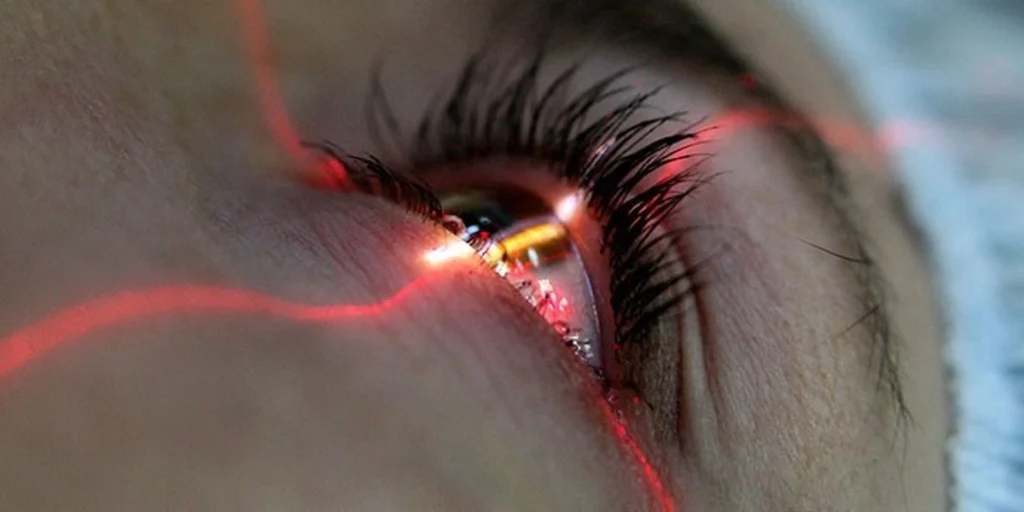
Tired of glasses sliding down your nose or the hassle of contact lenses? For millions in the UK and USA, LASIK eye surgery offers a path to clear, unassisted vision. However, the dream of freedom from corrective eyewear often collides with a harsh reality: steep costs and long waiting lists. But what if you could achieve the same life-changing results at a fraction of the price, without compromising on quality? Turkey has emerged as a global leader in medical tourism, with over 20,000 international patients seeking eye surgeries annually. This guide will explore the compelling affordability of Laser Eye Surgery in Turkey, directly comparing costs with the UK and USA. We’ll show you exactly how much you can save and what to expect on your journey to better vision. Understanding LASIK: The Gold Standard in Vision Correction LASIK (Laser-Assisted In Situ Keratomileusis) is a widely popular outpatient procedure that reshapes the cornea to correct common vision problems like nearsightedness, farsightedness, and astigmatism. The goal is often to achieve 20/20 vision or better, a result that countless patients have celebrated. But while the procedure is standardized globally, its cost is anything but. The significant price difference is the primary reason international patients are choosing Turkey for Laser Eye Surgery. Cost Breakdown: Why is LASIK so Much Cheaper in Turkey? Based on 2025 data, a LASIK procedure in Turkey typically ranges from $900 to $1,200 per eye. This translates to a remarkable 50-70% savings compared to Western prices. Let’s break down the numbers to see how that stacks up. Visualizing the Savings: Your Potential Financial Gains To illustrate the incredible savings, here is a cost comparison table based on 2025 averages. The potential for savings on your Laser Eye Surgery procedure is clear. Procedure Turkey (per eye) UK (per eye) USA (per eye) Savings vs. UK Savings vs. USA Standard LASIK $900 – $1,200 £1,500 – £2,000 $2,000 – $3,000 50-70% 60-70% No Touch Laser (Trans-PRK) $700 – $1,000 £1,500 – £2,000 $2,000 – $3,000 50-70% 60-70% Both Eyes Total $1,600 – $2,400 £3,000 – £6,000 $4,000 – $8,000 Up to £3,000 Up to $5,000 As you can see, the savings are significant. A UK patient could save up to £3,000, while an American patient could save up to $5,000 on their LASIK or No Touch Laser procedure. This value proposition is why over 20,000 foreigners travel to Turkey for eye surgeries each year. Beyond the Price: Quality and Trust in Turkish LASIK Affordability is a major factor, but quality and safety are paramount. Turkish Laser Eye Surgery clinics utilize state-of-the-art, FDA-approved technology and equipment, ensuring the standards of care are on par with those in the UK and USA. The clinic that Dr. Selim Güldiken practices at is authorized by the Turkish Ministry of Health to treat international patients. This government-backed certification ensures that the facility meets a high standard of quality and compliance. With success rates exceeding 95% and experienced surgeons like Dr. Güldiken, patients can feel confident in their choice for a Laser Eye Surgery procedure in Turkey. Dr. Selim Güldiken brings over 13 years of experience in ophthalmology. A graduate of Adnan Menderes University Faculty of Medicine, he completed his residency at Akdeniz University Faculty of Medicine and is a recognized speaker at national conferences. His expertise and patient-centric approach have earned him excellent reviews from patients. Your Journey to Clear Vision Starts Now LASIK in Turkey offers a perfect blend of cost-effectiveness and high-quality medical care. For anyone in the UK or USA, it’s an opportunity to save thousands while enjoying a seamless, professional experience led by expert surgeons. Ready to see the world clearly? Consult with Dr. Selim Güldiken and his team to discuss your specific needs and take the first step toward a life without glasses or contacts. This could be your year to have Laser Eye Surgery and change your vision for good. You can learn more about the importance of international health tourism authorization from the Turkish Ministry of Health by checking the official government website. What Makes Türkiye’s Health Industry So Attractive to Global Tourists?

Laser Eye Surgery in Turkey: Clear Vision, Quick Recovery
laser eye surgery in Turkey Antalya göz çizdirme ameliyatı Antalya No Touch Lazer No Touch Laser

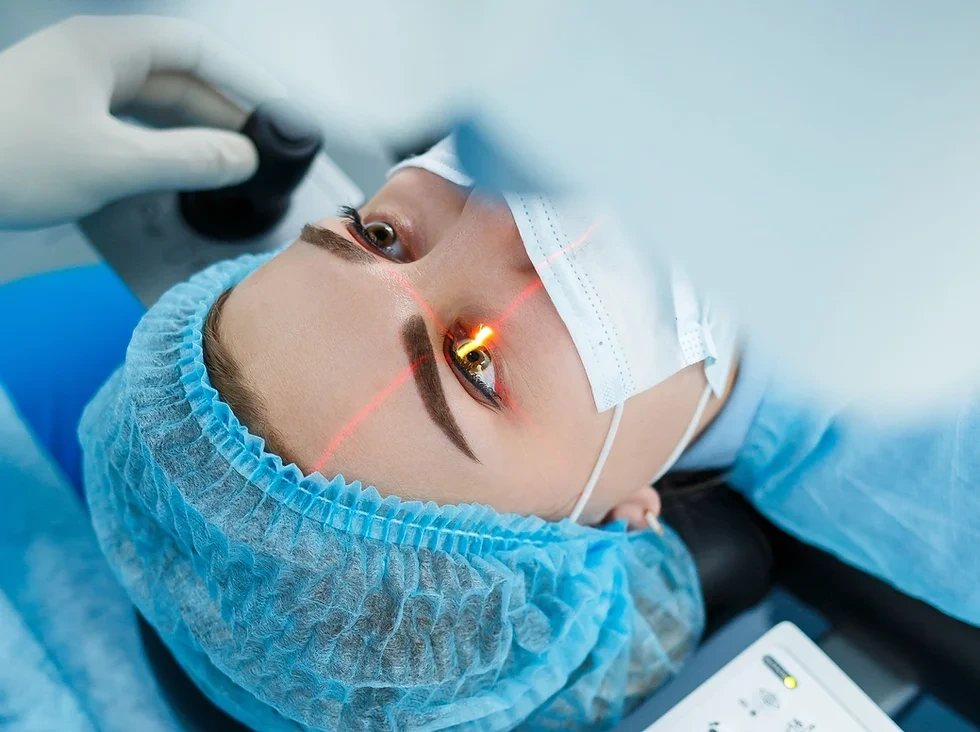
Are You Tired of Glasses? An Introduction to Laser Eye Surgery in Turkey Laser eye surgery has become a life-changing option for people who want better vision. It helps reduce the need for glasses or contact lenses. This advanced medical technique primarily aims to rectify common vision impairments, such as myopia (nearsightedness), hyperopia (farsightedness), and astigmatism. New laser technology has made corrective measures more accurate and reliable. This leads to better results for patients thinking about laser eye surgery in Turkey. At our clinic, we perform two primary techniques among the various methods available: LASIK and No Touch Laser (TransPRK). Dr. Selim Guldiken leads these techniques. His training and experience guarantee the best care standards. His dedication to patient safety and satisfaction underscores the commitment to providing exemplary vision correction services. As laser eye surgery improves, the goal is to enhance results and boost the quality of life for patients everywhere. Understanding LASIK and No Touch Laser (TransPRK) Methods Laser eye surgery has changed how we correct vision. LASIK and No Touch Laser (TransPRK) are now two popular methods. Both techniques offer unique advantages and rely on advanced technological processes that reshape the cornea, enhancing vision. To help you understand the differences, here is a breakdown of each. What is LASIK? LASIK, which stands for Laser-Assisted In Situ Keratomileusis, is renowned for its quick recovery time and minimal discomfort. The procedure uses a surgical blade or femtosecond laser. It creates a thin flap in the cornea. After the surgeon lifts the flap, the surgeon uses an excimer laser to reshape the corneal tissue. This corrects refractive errors like myopia, hyperopia, and astigmatism. The surgeon repositions the flap, allowing for rapid healing. Patients can often experience improved vision within hours following the surgery, leading to its popularity in Turkey and worldwide. What is No Touch Laser (TransPRK)? The No Touch Laser method, commonly referred to as TransPRK (Trans-Epithelial Photorefractive Keratectomy), is distinct in its approach. Unlike LASIK, TransPRK does not require the creation of a corneal flap. The procedure uses an excimer laser to remove the epithelium, which is the outer layer of the cornea. Then, it reshapes the corneal stroma underneath. This technique allows for a more surface-level correction, minimizing complications associated with flap formation. Many people often prefer TransPRK because it remains non-invasive. This makes it a good choice for people with thinner corneas or those who play contact sports. Procedure Name Flap Creation Ideal Candidates Recovery Time LASIK Yes Most patients with thick corneas Quick (vision improves within hours) No Touch Laser (TransPRK) No Individuals with thin corneas or active lifestyles Slower (vision stabilizes over days) Price Differences Between Turkey and Other Countries One of the most significant factors influencing a patient’s choice for laser eye surgery is the cost. Turkey has become a popular choice because it is cheaper than the United States, Canada, and many European countries. The lower price point can be attributed to multiple factors: Lower Cost of Living: This affects the costs for medical facilities. It includes staff salaries and medical supplies. This helps clinics offer lower rates. Competitive Market: The high number of people traveling to Turkey for affordable refractive surgery motivates clinics to provide attractive, all-inclusive packages. Many Turkish surgeons trained abroad have a lot of experience. This helps them achieve high-quality results at affordable prices. Patients looking for laser eye surgery may find that Turkey offers lower costs. It also meets global care standards. This makes Turkey an attractive choice for refractive surgery. Contact Our WhatsApp Support Line Anytime Contact Us Pros and Cons of Laser Eye Surgery Laser eye surgery has gained prominence as a popular option for individuals seeking corrective measures for vision issues. Here’s a balanced look at the advantages and downsides: Pros of Laser Eye Surgery Quick Results and Recovery: Patients often see a significant improvement in their vision within hours. Many can return to normal activities right away. High Precision: Innovations in laser technology ensure accurate corrections with minimal level of intrusion, reducing overall discomfort during and after the procedure. Reduced Need for Eyewear: Many patients reach 20/25 vision or better. This meets or exceeds the vision standards for driving without glasses or contacts. Cons of Laser Eye Surgery Potential for Visual Disturbances: Some patients may experience side effects like glare or halos, especially in low-light conditions. Not for Everyone: Not all patients are suitable candidates for this surgery. Comprehensive pre-operative examinations are crucial to evaluate an person’s eye health. Need for Post-Op Care: Patients should carefully follow care instructions. This includes using prescribed eye drops and avoiding hard activities for a smooth recovery. You should think carefully about the pros and cons before deciding to have laser eye surgery. For a detailed assessment, please see our section on Who is an Ideal Candidate for Laser Eye Surgery? Who is an Ideal Candidate for Laser Eye Surgery? Laser eye surgery is safe and effective. However, someone must meet certain criteria for a successful outcome. An ideal candidate generally fits the following profile: Age: Many people between 18 and 40 often qualify as the best candidates. Their vision prescriptions usually have stabilized. Stable Vision Prescription: Your prescription should have been stable for at least one year prior to the surgery. Overall Health: You should not have any medical or eye conditions that could affect the success of the procedure. This includes uncontrolled diabetes or severe dry eye syndrome. Corneal Health: A comprehensive eye examination is paramount to assess the curvature and thickness of your cornea. Ultimately, you and your eye specialist should make the decision to proceed collaboratively. [Contact Dr. Selim Guldiken today for a personalized consultation!] The Role of Dr. Selim Guldiken in Laser Eye Surgery Dr. Selim Guldiken is a well-known expert in laser eye surgery. People recognize him for his many qualifications and skills. His medical journey began with a degree in medicine from a renowned university, followed by specialized training in ophthalmology. He has over ten years of experience. He has